

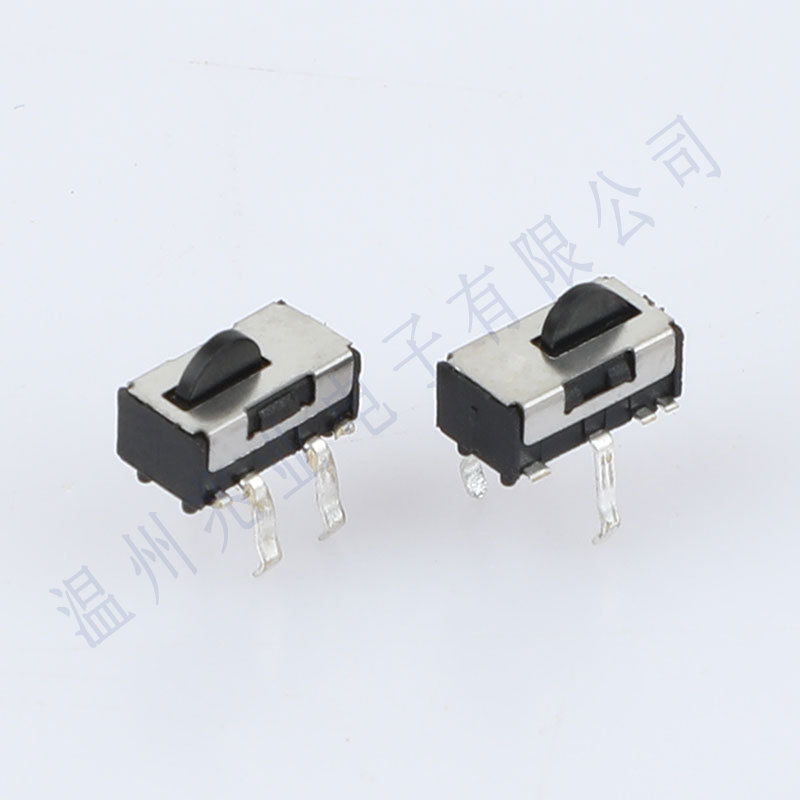
Sure — here is a 2000-word English article on Detection Switches for Heavy Machinery Safety Applications, with no company names included.
---
Detection Switches for Heavy Machinery Safety Applications
Heavy machinery plays a critical role in industries such as construction, mining, agriculture, transportation, manufacturing, and material handling. These machines perform tasks that are too large, heavy, or dangerous for manual labor alone. However, the power and scale that make heavy machinery so effective also make it potentially hazardous. Accidents involving large machines can lead to severe injury, equipment damage, downtime, and even loss of life. For this reason, safety systems are essential in any environment where heavy machinery is used.
One of the most important elements in machinery safety is the detection switch. Detection switches are devices designed to sense specific mechanical, electrical, or environmental conditions and trigger a response when those conditions occur. In heavy machinery applications, they are used to detect position, motion, pressure, presence, limit travel, access points, overloads, and unsafe operating states. These switches help prevent accidents by ensuring machines operate within safe parameters and stop when abnormal conditions are detected.
This article explores the role of detection switches in heavy machinery safety applications, the types of switches commonly used, their working principles, installation considerations, and the benefits they provide in industrial operations.
The Importance of Safety in Heavy Machinery
Heavy machinery often operates in demanding environments where vibrations, dust, moisture, extreme temperatures, and mechanical stress are common. Workers may be required to stand near moving parts, lifting mechanisms, hydraulic systems, conveyors, or rotating components. Even a small error in operation can have serious consequences. Common hazards include crushing, entanglement, impact, electrocution, and machine runaway.
To reduce these risks, machines must be equipped with reliable safety systems that detect dangerous conditions and respond immediately. Detection switches are a key part of these systems because they provide real-time feedback about machine status. They can stop movement, activate alarms, isolate power, or lock out certain functions when unsafe conditions are identified.
In many cases, detection switches also support compliance with safety standards and regulations. Industrial safety codes often require machinery to include monitoring devices for guarding, emergency shutdown, and position verification. Properly selected and maintained switches improve both worker safety and operational reliability.
What Are Detection Switches?
Detection switches are electromechanical or electronic devices that open or close a circuit when a specific physical condition is reached. In simple terms, they detect whether something is present, absent, moving, aligned, pressed, or in a certain location. Once the condition is met, the switch sends a signal to a control system, relay, alarm, or safety controller.
In heavy machinery, detection switches may be used to:
- Detect the end of travel of a moving part
- Confirm that a guard or door is closed
- Identify the position of an arm, boom, or bucket
- Sense the presence of a worker or object in a hazardous area
- Monitor pressure or load conditions
- Trigger emergency shutdown when limits are exceeded
Unlike general-purpose switches used in ordinary electrical systems, detection switches in heavy machinery must be rugged, reliable, and capable of withstanding harsh industrial conditions.
Common Types of Detection Switches
There are several types of detection switches used in machinery safety. Each type is suited to different applications depending on the environment, required accuracy, and safety function.
1. Limit Switches
Limit switches are among the most common detection devices in heavy machinery. They are mechanically actuated by moving machine parts. When a machine component reaches a certain position, it presses the switch actuator, changing the electrical state.
Limit switches are often used to detect the upper and lower limits of travel in cranes, lifts, hoists, presses, and conveyor systems. They are important for preventing over-travel, which could damage equipment or create dangerous conditions.
2. Proximity Switches
Proximity switches detect the presence of an object without physical contact. They may use inductive, capacitive, magnetic, or optical sensing methods. Because they do not rely on direct mechanical contact, they often have a longer service life and can function well in dirty or vibrating environments.
In heavy machinery, proximity switches are used for position sensing, part detection, and safety interlocking. They are especially useful where contact-based switches may wear out too quickly.
3. Magnetic Safety Switches
Magnetic safety switches detect the presence or position of a magnet attached to a moving guard, door, or machine component. When the magnet is aligned correctly, the switch allows operation. If the guard opens or moves out of position, the signal changes and the machine can be shut down.
These switches are common in guard monitoring and access control. They are valued for their contactless operation and resistance to contamination.
4. Pressure Switches
Pressure switches are used to monitor hydraulic or pneumatic systems. In heavy machinery, pressure levels must remain within a safe range. If pressure becomes too high or too low, the switch activates a signal.
For example, pressure switches can detect overload conditions in hydraulic lifts or confirm that sufficient pressure is present before a machine starts. They are important for preventing system failure and unsafe movement.
5. Position Switches
Position switches confirm the exact location of a machine part. They may be used on booms, arms, gates, slides, or other moving sections of a machine. Position feedback is essential in automated and semi-automated machinery where precise movement control is required.
6. Safety Interlock Switches
Safety interlock switches are designed to stop a machine when a guard, panel, or door is opened. These switches help prevent workers from accessing dangerous internal areas while the machine is still operating.
Interlock switches are commonly used on enclosures, maintenance covers, access gates, and inspection doors. They are a vital defense against accidental contact with hazardous moving parts.
How Detection Switches Improve Safety
Detection switches improve heavy machinery safety in several important ways.
Preventing Overtravel
Machines with moving components must stop before reaching dangerous positions. Overtravel can lead to collisions, structural damage, or mechanical failure. Limit and position switches detect travel boundaries and stop motion before the machine goes too far.
Monitoring Guards and Access Points
Many accidents occur when workers enter a machine area while equipment is still active. Interlock and magnetic switches ensure that doors, gates, and guards remain closed during operation. If an access point is opened, the machine can be stopped instantly.
Detecting Unsafe Pressure or Load
Heavy machinery often relies on hydraulics or pneumatics. If system pressure becomes abnormal, the equipment may move unpredictably or fail. Pressure switches provide early warning and help prevent unsafe operation.
Supporting Emergency Shutdown
Detection switches can be connected to emergency stop circuits or safety controllers. When a dangerous condition is detected, the machine may be stopped automatically, reducing the chance of injury or damage.
Improving Automation Accuracy
Modern heavy machinery is often partially automated. Detection switches confirm machine state and position, allowing control systems to make safe decisions. This reduces the chance of operator error and increases process reliability.
Design Requirements for Heavy Machinery Applications
Detection switches used in safety applications must meet demanding performance requirements.
Durability
Heavy machinery environments involve shock, vibration, dust, grease, water, and temperature extremes. Switches must withstand these conditions without failing.
Reliability
A safety switch must respond consistently every time it is triggered. False signals or failure to detect a hazard can result in serious consequences.
Fast Response
Safety systems must act quickly. Detection switches should provide immediate feedback to allow rapid shutdown or warning activation.
Tamper Resistance
In safety-critical systems, switches should be designed to prevent bypassing or misuse. If a guard switch can be easily defeated, the protection is reduced.
Compatibility
Switches must be compatible with the machine’s control system, voltage requirements, and safety logic. Proper integration ensures that the detection signal is interpreted correctly.
Environmental Protection
Enclosures with suitable protection ratings are important in industrial locations. Moisture, dust, and chemicals can interfere with sensitive components if they are not adequately protected.
Installation and Maintenance Considerations
Even the best detection switch will not perform reliably if it is installed incorrectly. Proper placement, alignment, and wiring are essential.
Correct Positioning
The switch must be mounted so it reliably detects the intended condition. If the actuator is misaligned or too far from the target, it may not work properly.
Secure Mounting
Vibration from heavy machinery can loosen components over time. Switches should be mounted securely to avoid shifting or damage.
Cable Protection
Wiring should be protected from abrasion, crushing, and exposure to fluids. Damaged wiring can create false signals or safety failures.
Regular Testing
Safety switches should be inspected and tested on a routine schedule. Maintenance teams should verify that the switch responds correctly and that the machine stops as expected.
Replacement of Worn Parts
Mechanical switches may wear out over time, especially in high-cycle operations. Worn components should be replaced before they fail.
Industrial Applications
Detection switches are used across many types of heavy machinery.
Construction Equipment
Excavators, loaders, bulldozers, cranes, and lifts use switches to control motion limits, verify positions, and protect operators.
Mining Machinery
Drills, haul trucks, crushers, and conveyor systems rely on rugged switches to manage extreme working conditions and high mechanical loads.
Agricultural Machines
Harvesters, tractors, balers, and feeding systems use detection switches to monitor moving parts and protect operators during maintenance and operation.
Manufacturing Equipment
Presses, stamping machines, robotic systems, and automated transfer equipment use switches for guarding, motion control, and emergency response.
Material Handling Systems
Forklifts, conveyors, pallet lifts, and stackers depend on switches to detect position, limit movement, and prevent collisions.
The Future of Detection Switch Technology
As machinery becomes more advanced, detection switches are evolving as well. Modern safety systems increasingly combine traditional switches with electronic diagnostics, network communication, and real-time monitoring. Some systems can report switch status continuously, helping maintenance teams identify wear or failure before a problem occurs.
In the future, detection switches may become even more integrated with smart safety systems, predictive maintenance platforms, and machine control networks. However, the basic purpose will remain the same: to detect unsafe conditions and protect people, machines, and operations.
Conclusion
Detection switches are a fundamental part of heavy machinery safety applications. They provide a simple but highly effective way to monitor machine status, detect hazardous conditions, and trigger protective responses. Whether used for position sensing, guard monitoring, pressure control, or emergency shutdown, these devices help reduce accidents and improve operational control.
In harsh industrial environments, reliability and durability are essential. Proper selection, installation, and maintenance of detection switches can significantly increase safety and equipment life. As heavy machinery continues to evolve, detection switches will remain an essential safeguard, ensuring that powerful machines operate as safely as possible.
---
If you want, I can also:
1. turn this into a more professional SEO article,
2. make it sound more technical, or
3. translate it into Chinese while keeping the English keywords.
이 웹사이트는 귀하가 당사 웹사이트에서 최상의 경험을 할 수 있도록 쿠키를 사용합니다.
 English
 Deutsch
 日本語
日本語 Tiếng Việt



 핸드폰
핸드폰
논평
(0)